Northern Coast Lighthouses, Preserved in Story and Light

Explore weathered towers, keeper accounts, and archive photography that trace the shoreline's maritime history.

  • Archive photos
  • Keeper stories
  • Preserved towers

Archive Introduction

A quiet record of beacons, keepers, and the coast they watched.

This collection gathers lighthouse photographs, short keeper accounts, and preserved tower notes into one readable coastal record, so each site can be understood as lived history rather than a distant landmark.

  • Archive photos

    Film-toned images of lantern rooms, masonry, and shoreline weather.

  • Keeper stories

    Brief accounts that place daily routines and storms back into view.

  • Preserved towers

    Location-led references that connect each tower to its coastal setting.
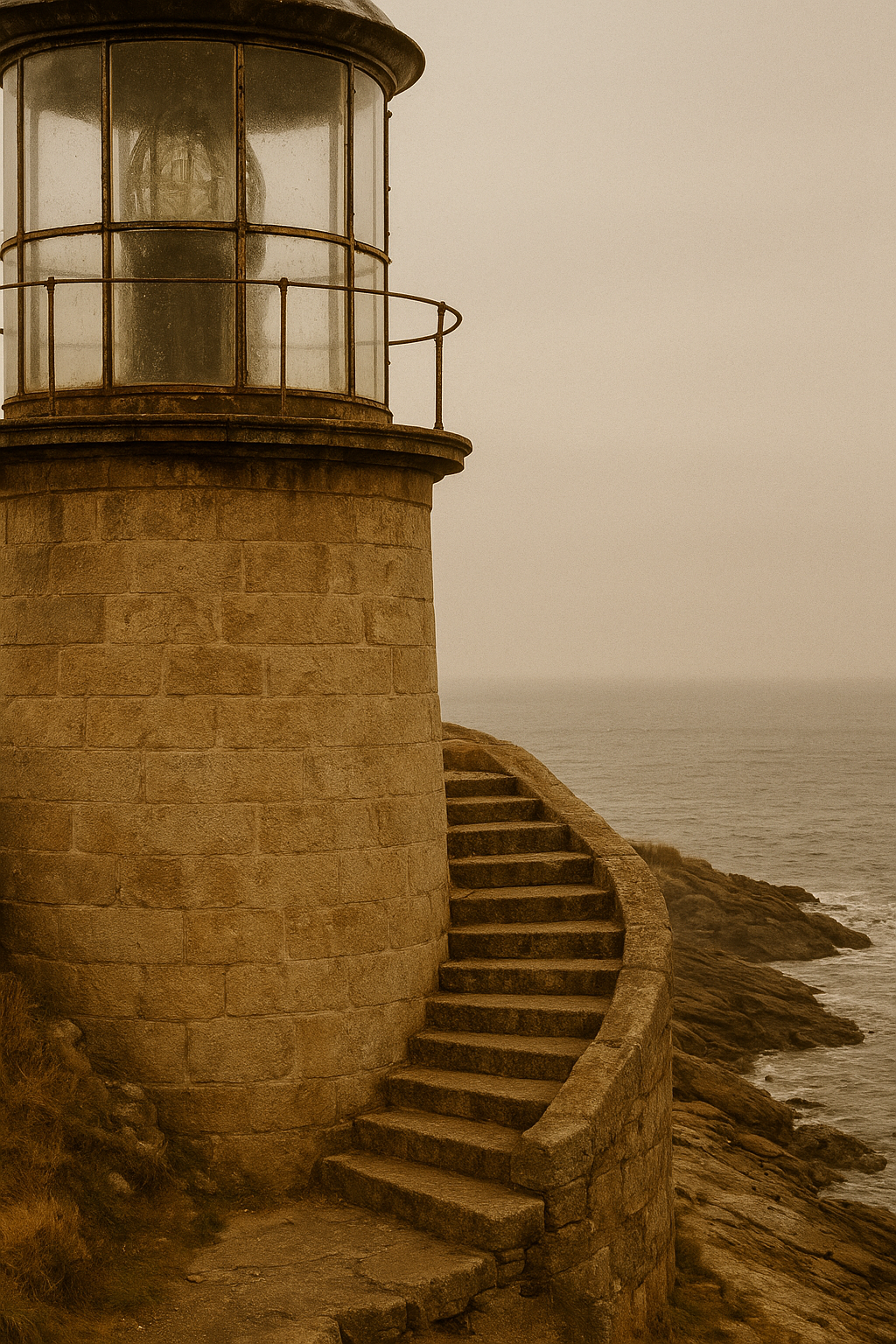
Archival-style close view of weathered lighthouse lantern glass and stonework beside worn coastal steps
Documentary detail plate from the northern coast archive.

Keeper Stories

Lives behind the lantern glass

Three brief portraits from logbooks and local recollections, tracing ordinary routines that kept the northern coast lit through fog, wind, and winter tide.

  • Cape Alder \u2022 Winter 1896

    Fog Bell at First Light

    Keeper Elin Mora wrote of timing the bell to the swell, counting each strike between waves so fishing boats could find the inlet before sunrise.

  • North Shoal \u2022 Spring 1908

    The Lamp Room Ledger

    A week of entries lists trimmed wicks, polished lenses, and storm checks\u2014small tasks repeated with care, recorded in a hand steady despite the gale.

  • Harbor Reach \u2022 1919

    Letters Between Tides

    Short notes sent ashore mention mending nets, sharing tea with passing crews, and watching the beacon sweep the same water each night.

Northern Coast Reference Route

Preserved towers marked

Cape Merrow

White Head

North Beacon Point

Harbor Cliff

Fjord Light

Photo Archive

Archival Glimpses of the Northern Coast

A concise visual tray of preserved towers, weathered approaches, and lantern craft across the shoreline.
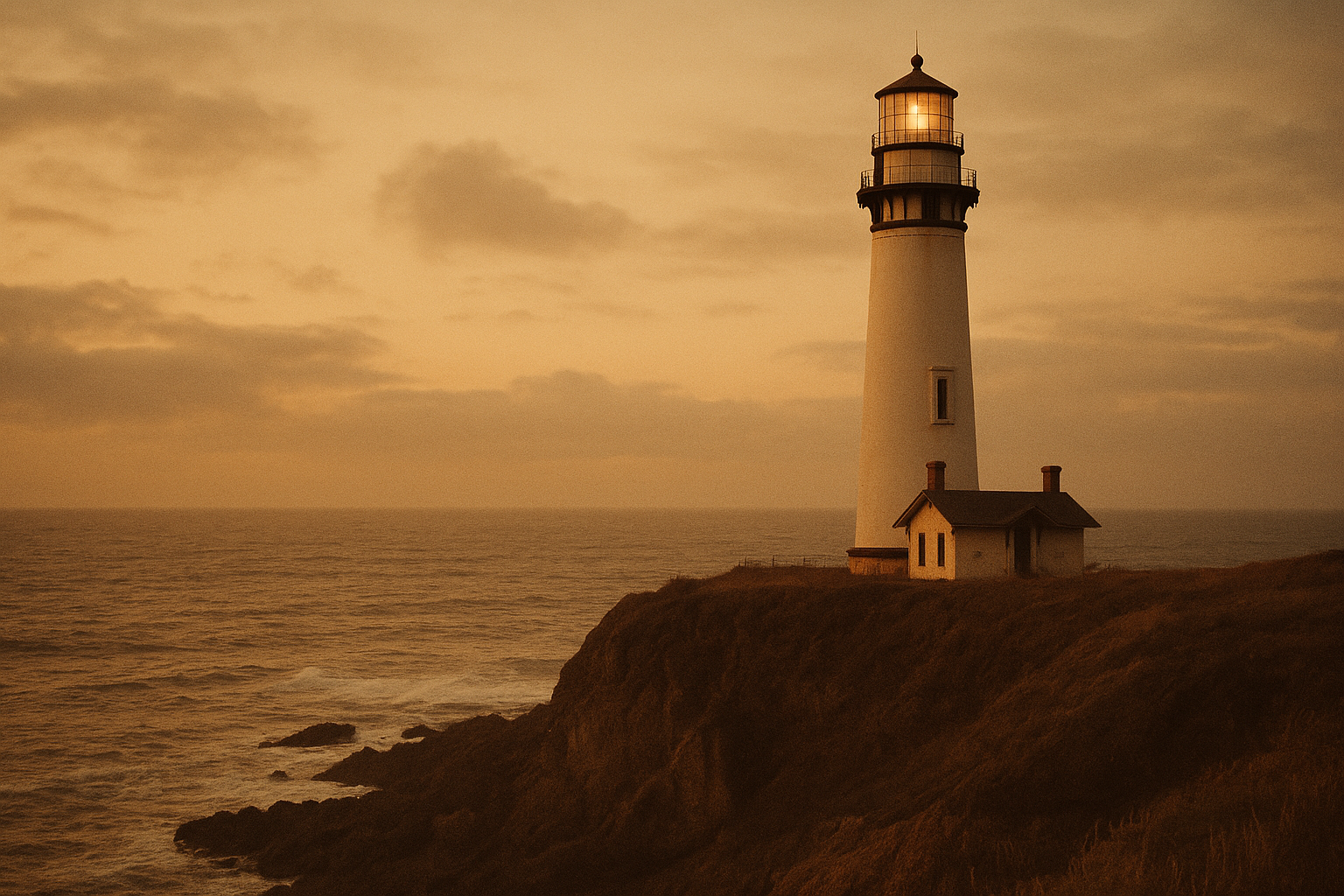
Wide lighthouse exterior on a windswept cliff at dusk, captured in warm archival film tones
North Point Beacon, west-facing cliff line.
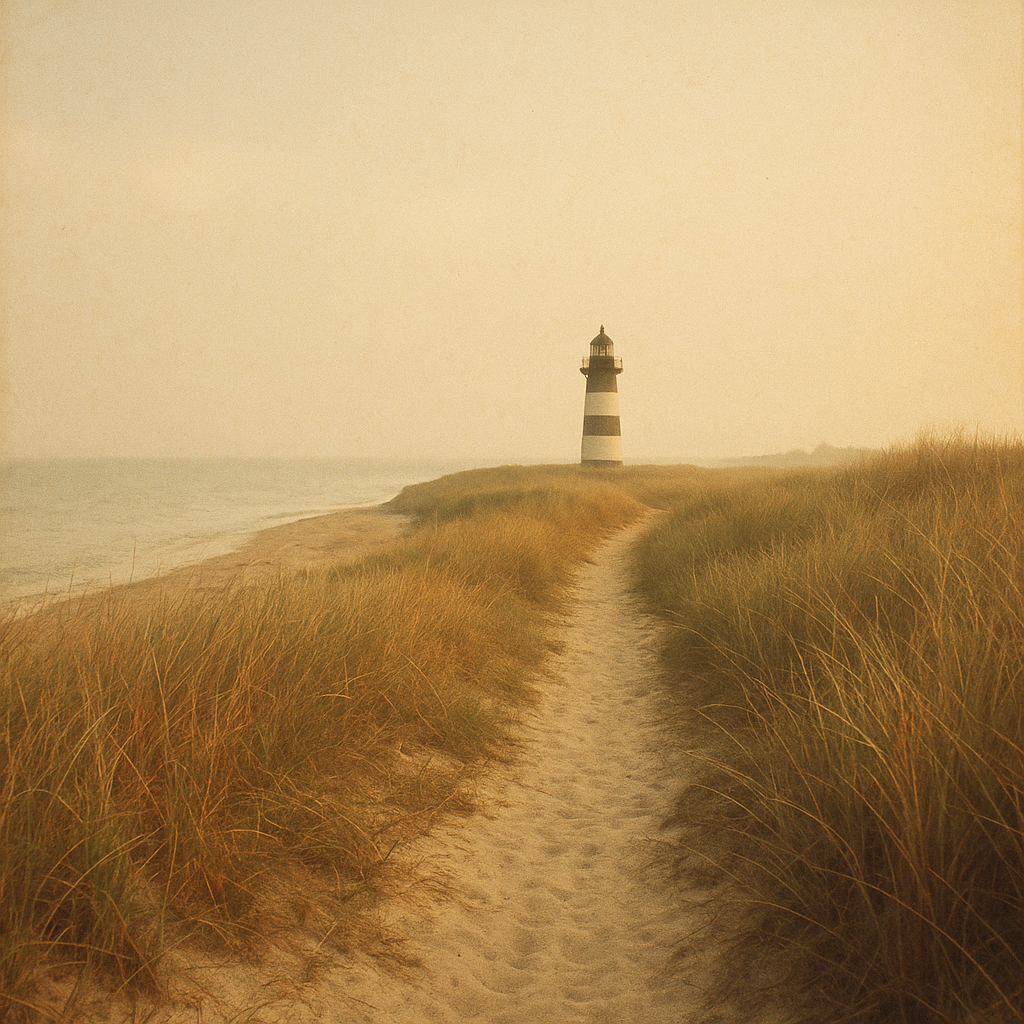
Narrow shoreline path leading toward a distant lighthouse tower in soft morning haze
Shore approach path, low-tide survey route.
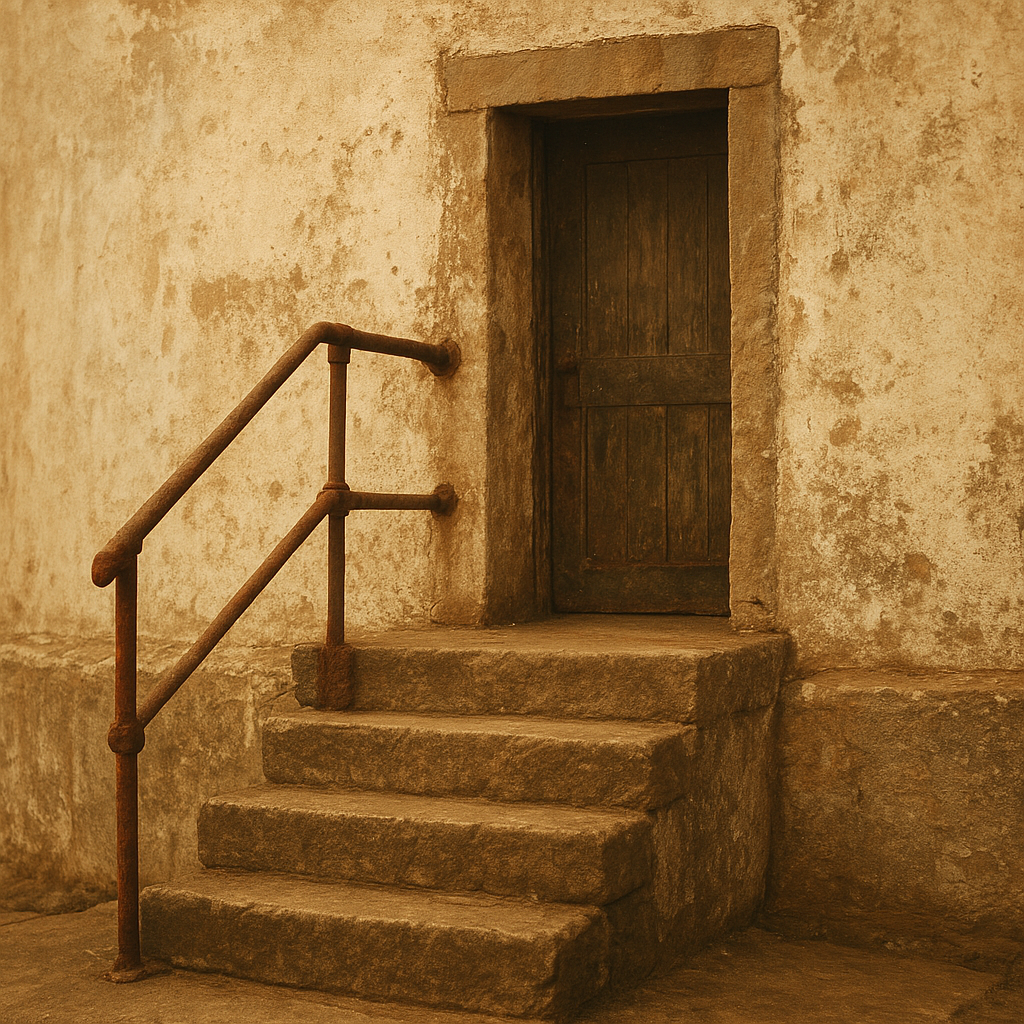
Weathered lighthouse masonry and stone stair entry with salt-stained textures
Salt-worn masonry at the original keeper entrance.
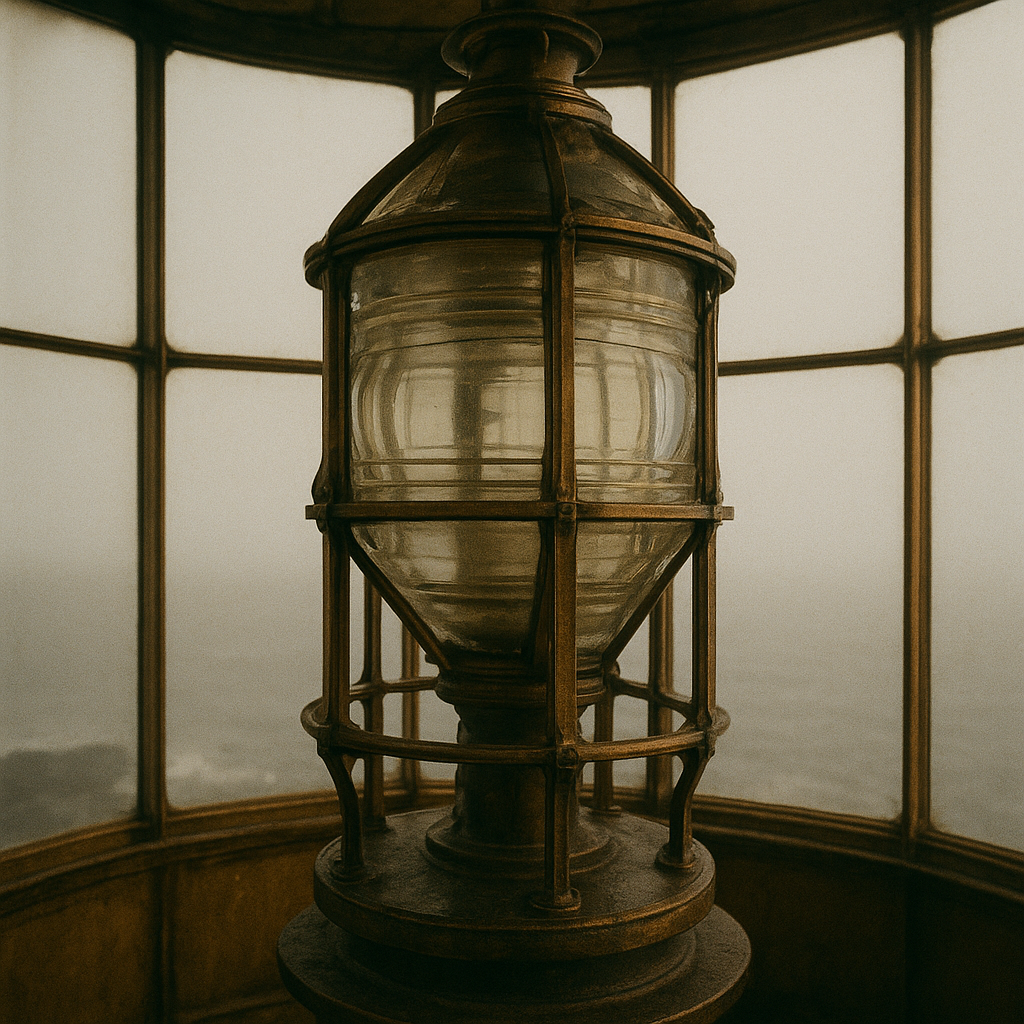
Close lantern-room detail with brass framing and aged glass panes under coastal light
Lantern room glazing and brass frame detail.

Visitor notes

Before you visit the northern coast towers

Access varies by site and season; these notes help you plan respectfully around preserved structures and working coast paths.

Why are some lighthouses view-only from outside?
Many towers are protected heritage structures with fragile interiors. Exterior viewing prevents wear while still allowing visitors to experience the site and its setting.
What level of access should visitors generally expect?
Most stops offer open viewpoints, interpretive plaques, and nearby trails. Interior entry is less common and usually limited to designated heritage days or guided openings.
How do weather and path conditions affect a visit?
Coastal winds, salt spray, and wet stone can change footing quickly. Check local weather and tide notes, then plan extra time for slower walking on exposed paths.
What is the best photography etiquette at lighthouse sites?
Stay on marked paths, avoid climbing barriers, and keep tripods clear of narrow walkways. If people are present, photograph with patience and leave space for shared viewing.
Why do preservation rules often limit direct tower entry?
Repeated foot traffic, vibration, and moisture can accelerate deterioration. Limited entry protects original materials so these towers remain intact for future study and care.

Ready to trace locations? Return to the coast map.